

The Power of Logistics to Move the World!
It's the Power of extrans.
EXTRANS GLOBAL - Air Freight News - Week 21 2026
Air Cargo Market Updates
1. SkyTeam’s Korean Air Launches Codeshare with Star Alliance’s Air Canada
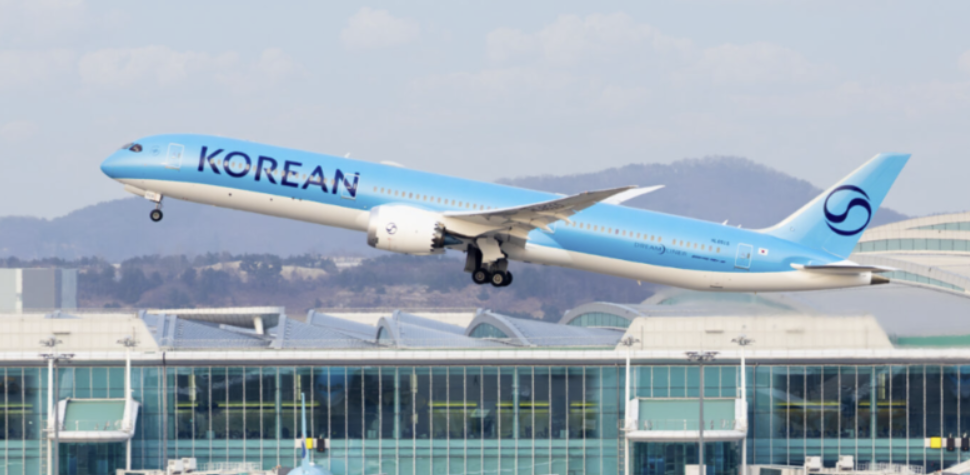
Ahead of the 2026 CONCACAF Gold Cup kicking off in June, Korean Air has officially rolled out codeshare cooperation with Air Canada. Centered on Toronto, the host city of the tournament, the partnership aims to improve travel convenience for passengers traveling to major cities across Eastern Canada and cater to growing transit demand.
Following its merger with Asiana Airlines, Korean Air is strengthening ties with Air Canada — a core member of the rival Star Alliance — to proactively retain existing Asiana customers.
Codeshare Route Arrangements
- Routes operated by Air Canada with Korean Air flight codes:
Toronto Pearson ⇌ Halifax, Toronto Pearson ⇌ Montreal, Toronto Pearson ⇌ Ottawa
- Routes operated by Korean Air with Air Canada flight codes:
Incheon ⇌ Bangkok Suvarnabhumi, Incheon ⇌ Da Nang, Incheon ⇌ Hong Kong
Through this partnership, Korean Air can now capture transit passengers traveling to key destinations in Eastern Canada where it does not operate direct flights.
Air Canada is a founding member of Star Alliance established in 1997. Asiana Airlines, currently a Star Alliance member, will exit the alliance upon its merger with Korean Air this December. Industry insiders note that as a founding member of SkyTeam, Korean Air’s collaboration with a leading Star Alliance carrier is a strategic move to prevent the churn of loyal Asiana passengers who prefer Star Alliance services. To maintain its market position as South Korea’s sole mega-carrier post-merger, Korean Air is breaking alliance boundaries to expand its global network.
2. High Freight Rates & Tight Capacity to Persist Post-Q2; AI-related Cargo to Become Market Mainstay
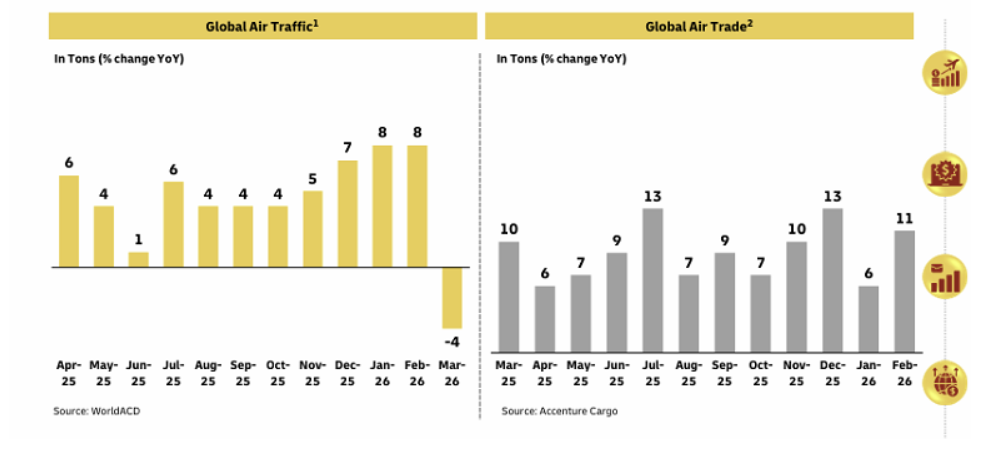
The global air cargo market is expected to face prolonged high volatility and structural capacity shortages after the second quarter of 2026. Persistent geopolitical risks in the Middle East and elevated jet fuel prices will limit airlines’ capacity expansion plans. Meanwhile, AI semiconductors and high-end electronic products are emerging as a new core cargo segment.
In its Air Freight State of the Industry – April 2026 report released recently, DGF states that the global air cargo industry is no longer in a simple recovery phase. Instead, it has entered a transition period marked by concurrent supply chain restructuring and high operational costs.
The report forecasts modest growth of 2% to 3% in global air cargo demand for the full year. Nevertheless, capacity constraints will intensify due to restricted airspace over the Middle East, mandatory flight reroutes and surging jet fuel prices.
As of April 27, global air cargo capacity dropped 3% year-on-year. Capacity in the Middle East plummeted by 39%, with a 49% decline on Gulf-North America lanes and a 43% drop on Gulf-Europe routes, reflecting the diminished role of the Middle East as a global aviation hub.
Airlines are widely expected to adopt a conservative capacity strategy by cutting flights and reducing frequencies on low-profit routes.
Soaring fuel costs remain a major source of market instability. Spot Brent crude is projected to rise to USD 115 per barrel in Q2, while jet fuel prices hit roughly USD 165 per barrel at the end of April. DHL warns that if stability cannot be restored on Middle Eastern routes, airlines will continue raising fuel surcharges and adjusting flight schedules.
Market growth drivers are also undergoing major shifts. DHL anticipates weakening volumes of low-cost cross-border e-commerce goods originating from China, dragged by tightened import regulations in the U.S. and Europe as well as sluggish consumer spending. In contrast, AI semiconductors and high-performance computing equipment have solidified their position as the new pillar cargo category.
3. Generative AI Accelerates Logistics Operational Innovation — Will AI Agents Replace Forwarders?

A recent report by McKinsey highlights that generative AI has the potential to fundamentally reshape the global logistics industry. Asset-light logistics players, mainly freight forwarders and brokers, are actively adopting AI-powered automation platforms, which will rapidly transform traditional operational models and competitive landscapes.
In the past, building comprehensive forwarding platforms required massive capital investment and lengthy development cycles. Today, AI development tools and large language models (LLMs) enable such functionalities to be built far more quickly and cost-effectively.
The report identifies two key industry risks:
- Startups may leverage AI to replicate sophisticated logistics platforms comparable to those run by established large forwarders within a short time frame.
- Powered by public data and open APIs, AI agents can autonomously integrate diverse functions. This would allow shippers to complete cargo booking and end-to-end operations without relying on dedicated professional logistics platforms.
Even so, McKinsey believes established global forwarders and brokers will not lose their competitive edges anytime soon. Decades-long accumulated global networks, proprietary data, long-term partnerships with carriers and rich operational expertise cannot be easily replaced by AI alone.
The report outlines the core strengths of incumbent logistics companies: strong rate negotiation capabilities backed by extensive networks, long-standing trust relationships with shippers and carriers, proven expertise in managing complex supply chains, and massive repositories of historical shipping data. Transaction records and shipper feedback held by major forwarders will serve as valuable assets for training AI models and upgrading services in the future.
Global logistics firms are speeding up AI adoption. One transportation provider saw productivity jump by over 40% year-on-year after implementing an AI-driven supply chain platform, which automates rate calculation, belly capacity procurement, cargo tracking and document processing.
Air freight forwarding will be among the sectors most affected by this transformation. Demand for AI automation is surging across air cargo operations, given unique challenges such as real-time rate fluctuations, limited bellyhold capacity, and complicated global customs clearance and documentation procedures.
4. T’way Air Accelerates Rebranding after Receiving Domestic Approval for New Name Trinity Air
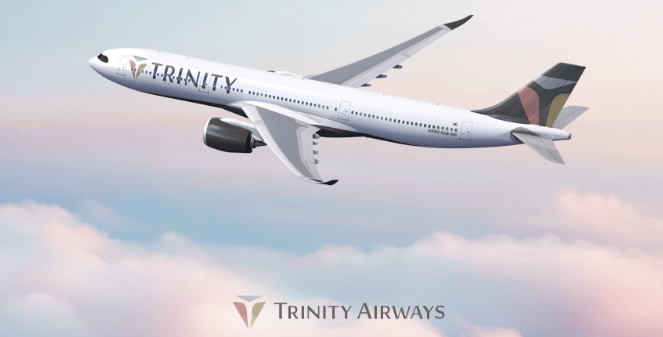
South Korea’s Ministry of Land, Infrastructure and Transport has granted T’way Air official approval to change its corporate name to Trinity Air, kicking off the full rebranding process as the airline strives to grow into a global carrier.
T’way Air announced the approval on the 18th, noting that the formal name change license was issued on the 15th. The rebranding initiative was first approved at the company’s general shareholders’ meeting on March 31, followed by the official aviation licensing procedures.
Full operation under the new brand name Trinity Air will be rolled out in phases, pending certification and approval from aviation authorities across other countries — a standard requirement for international air carriers.
The Ministry of Land, Infrastructure and Transport attached several conditions to the approval: the airline must introduce measures to avoid consumer confusion, maintain robust flight safety systems, and complete all overseas regulatory clearances.
T’way Air will continue operating under its original brand during the transition period. Its airline code TW and flight numbers remain unchanged, and all existing reservations will remain valid without additional modifications.
Share this article :


top