

The Power of Logistics to Move the World!
It's the Power of extrans.
EXTRANS GLOBAL - Air Freight News - Week 10 2026
Air Cargo Market Highlights
1) LCCs Race to Expand Long-Haul Routes – Enduring Losses

Competition in long-haul routes is intensifying in Korea’s aviation industry.
Low-cost carriers (LCCs) have joined full-service carriers (FSCs) such as Korean Air and Asiana Airlines by launching routes to Europe and the Americas.
However, LCCs operating long-haul flights are posting losses due to high initial investment, fare discount competition, and foreign exchange pressures, making near-term profitability difficult.
This comes as T’way Air entered Europe and Air Premia launched US routes using traffic rights obtained from the Korean Air–Asiana merger.
Parata Air, which began full operations in October 2025, is preparing to launch Americas routes this year.
It will become the third LCC entering long-haul services after T’way Air and Air Premia.
- T’way Air launched Sydney in 2022, followed in May 2024 by Zagreb, Rome, Paris, Barcelona, and Frankfurt, and added Vancouver in July 2025.
- Air Premia launched Los Angeles in October 2022, New York in May 2023, San Francisco in May 2024, a nighttime LA flight, and Hawaii in July 2025. It plans to start Washington, D.C. in April.
Although LCCs have expanded scale via long-haul routes, profitability remains weak:
- T’way Air (Europe routes): 2025 revenue KRW 1.7982 trillion (+17% YoY), but operating loss KRW 265.5 billion – 21.6 times wider than the previous year’s KRW 12.3 billion loss.
- Parata Air: 2025 revenue KRW 15.2 billion, operating loss KRW 59.3 billion. Only Q4 operating data was available, but annual pre-launch costs such as certification were included.
- Air Premia (Americas expansion): 2025 full-year results not yet released, but capital impairment ratio reached 81.4% at end-2024, increasing financial strain.
2) Iran Conflict – “Smartphone Air Cargo Disrupted, Costs Rising”
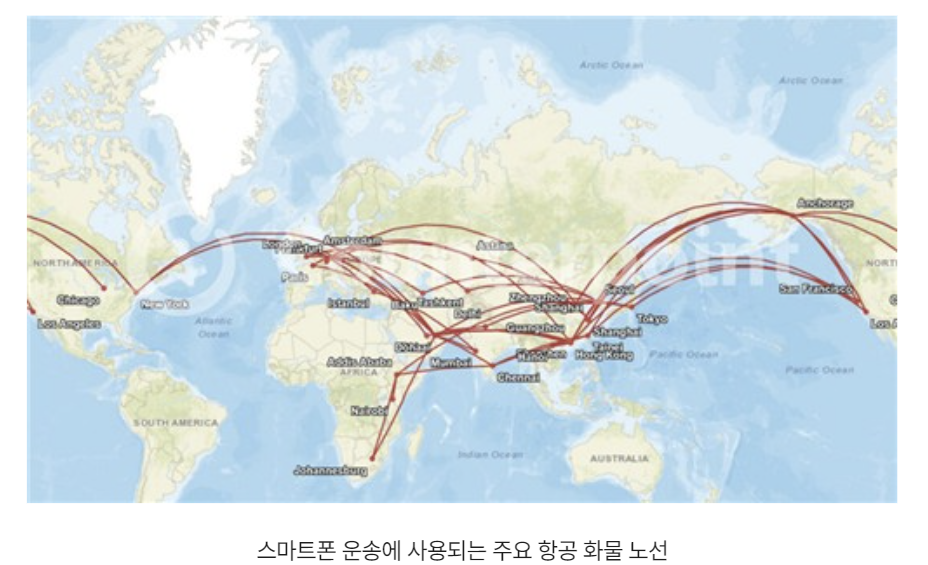
Military clashes between the U.S., Israel, and Iran are disrupting Middle Eastern air routes, threatening severe delays to smartphone shipments – bad news for manufacturers already hit by surging memory prices. Most global smartphone volume travels by air.
Although more expensive than sea freight, air transport is preferred due to high product value and short lifecycles.
Smartphone brands rely on interconnected global routes, with the Middle East as a critical hub.
Major hubs such as Dubai (UAE) and Hamad International Airport (Qatar) redistribute cargo from manufacturing bases to Europe, Africa, and the U.S. East Coast.
Counterpoint Research noted that alternative routings exist but come at the cost of lower efficiency.
Additionally, Iran’s threat to close the Strait of Hormuz – through which ~20% of global oil passes – has sent fuel prices soaring.
Higher energy prices directly increase transport costs, while longer detours raise fuel expenses further.
Counterpoint Research commented:
“These events are worsening pressure on smartphone supply chains already strained by rising memory prices. If disruptions continue, overall logistics costs – including insurance premiums and extended ground handling – will keep increasing.”
“These events are worsening pressure on smartphone supply chains already strained by rising memory prices. If disruptions continue, overall logistics costs – including insurance premiums and extended ground handling – will keep increasing.”
3) Middle East Aviation Suspended – Airspace & Airport Closures Expand
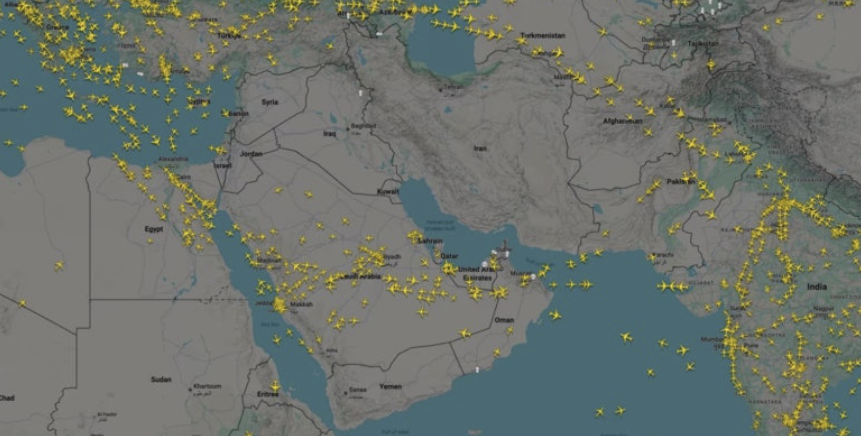
Widespread Airspace Closures and Flight Cancellations
- Following U.S.-Israeli strikes on Iran and Iranian retaliation, airspace closures and flight suspensions have spread across the Middle East.
- At least 10 countries – Bahrain, Iran, Iraq, Israel, Jordan, Kuwait, Qatar, Saudi Arabia, Syria, UAE – have imposed partial or full airspace closures.
- Mass flight cancellations, diversions, and delays affecting both passengers and cargo.
- Major Gulf hubs including Dubai, Abu Dhabi, and Doha are severely disrupted.
Scale of Airport Disruptions
- According to Flightradar24, over 2,000 flights canceled across 7 major Gulf airports.
- Airports included: Dubai International, Hamad International (Doha), Abu Dhabi International, Sharjah, Kuwait International, Bahrain International, Al Maktoum (Dubai World Central).
- Gulf hubs are key transit points linking Europe–Asia–Africa, causing chain effects on long-haul routes and time-sensitive cargo.
Impact on Global Aviation & Cargo
- Paralysis of Middle Eastern hubs has reduced belly cargo capacity.
- Connectivity between Asia–Europe–Africa weakened.
- Higher risk of delays on long-haul routes and urgent cargo.
- Upward pressure on air freight rates ($/kg).
4) Iran Conflict Escalation – Air Cargo Rates Set to Surge
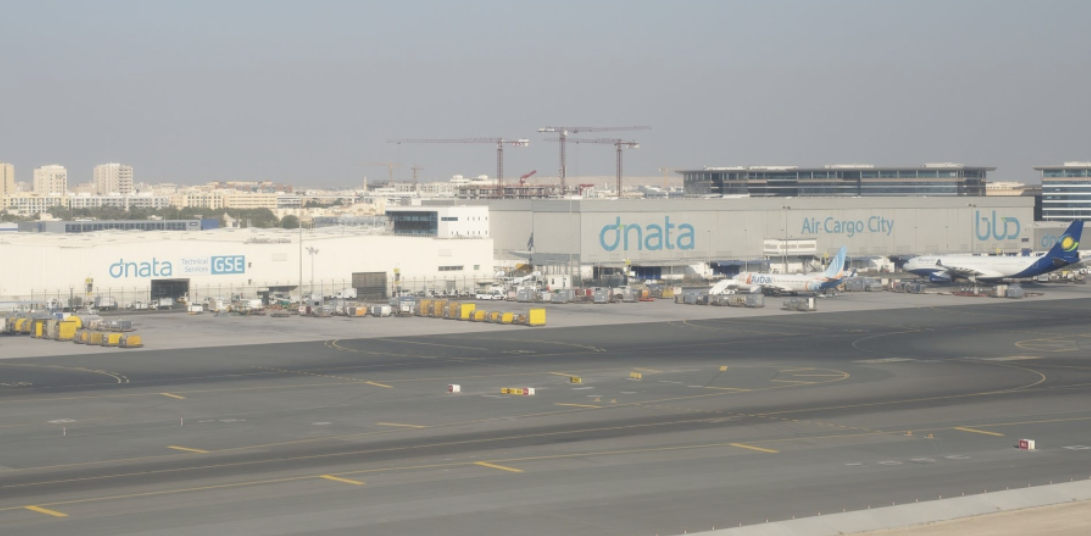
Immediate Shock to Middle East Cargo Market
- After U.S.-Israeli strikes on Iran, Asia–Europe air cargo has been disrupted, with limited access to major hubs including Dubai, Abu Dhabi, and Qatar.
- Flight cancellations and diversions expanding, with further schedule adjustments expected.
- Longer detours increase fuel use → possible payload reduction. TAC Index cites potential rate rises, especially on Asia–Europe lanes.
Network Diversions & Capacity Cuts
- European carriers increasing use of northern routes via Central Asia.
- Middle East suspensions have reduced global air cargo capacity by roughly 18% weekly. Airlines are reallocating aircraft and restructuring networks.
- Delays in transshipment and waiting times for cargo to/from the Middle East are growing.
Rate Outlook & Market Variables
- Short-term surge in air freight rates ($/kg) likely, though delayed export recovery in China may soften immediate spikes.
- Capacity reductions from aircraft repositioning will strengthen upward rate pressure.
- Warning: both in-transit and planned shipments face delays.
- Spillover expected on Asia–Europe routes.
Global Supply Chain Spillover
- Australian logistics and shipper groups warned of impacts on air connectivity, container schedules, and war risk surcharges.
- Geopolitical risks are having direct, measurable effects on global supply chains.
- Added to existing shocks from the Ukraine war, Israel–Hamas conflict, and U.S. tariff expansion.
Share this article :


top